
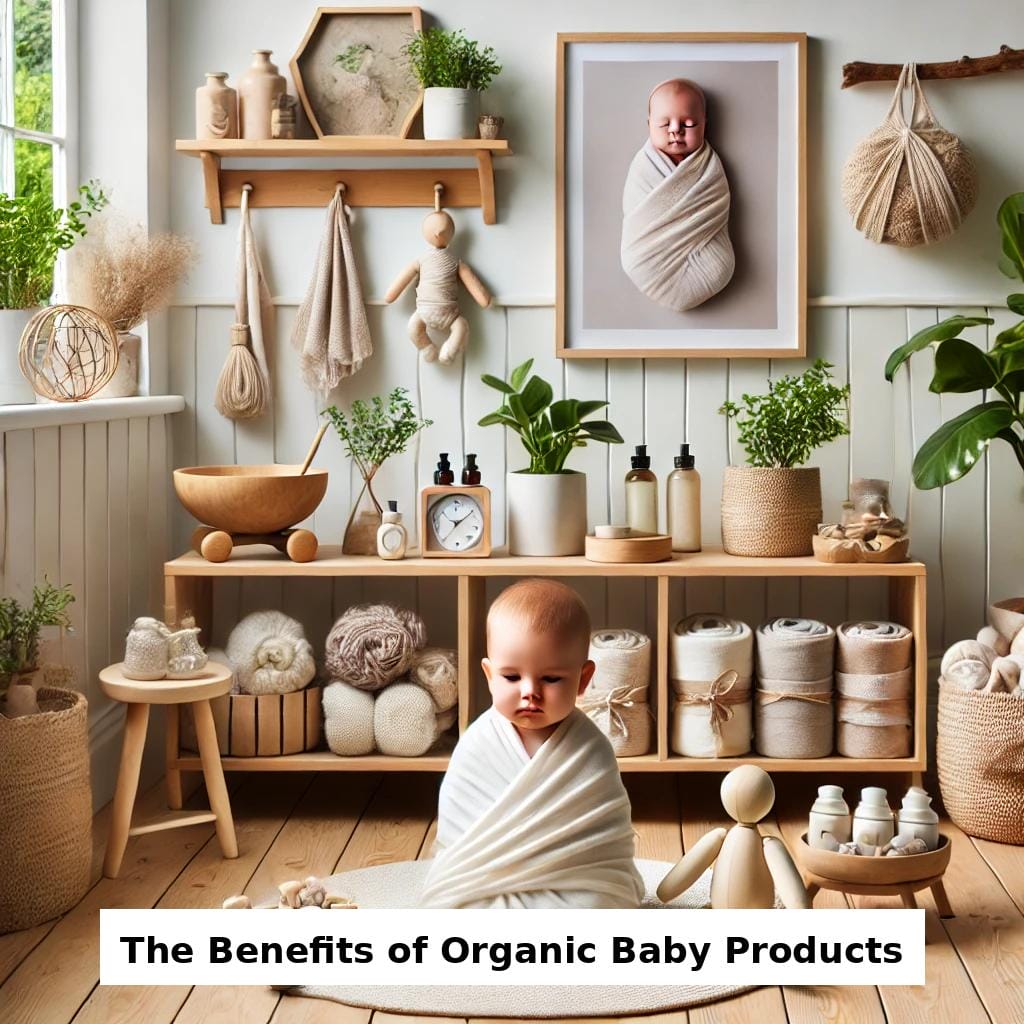
The Benefits of Organic Baby Products
Why Organic Baby Products Are Growing in Popularity
Every parent wants the best for their baby. That’s why organic baby products are becoming more popular in Australia. These gentler options aim to reduce exposure to certain pesticides, harsh dyes, synthetic fragrances – all while keeping comfort front and centre.
Because babies have delicate skin and developing systems, even small irritants can matter. Choosing thoughtfully sourced,ganic essentials may help minimise irritation and keep daily care simple.
What Are Organic Baby Products?
Organic baby products are made without synthetic pesticides or many common petrochemical additives. You’ll find them across skincare, clothing, bedding, toys, sometimes food and formula.
When shopping, look for recognised certification logos such as Australian Certified Organic (ACO), COSMOS for skincare, GOTS (Global Organic Textile Standard) for textiles. These schemes set strict criteria for farming, processing, labelling.
Top Benefits of Choosing Organic
Because certified organic products avoid a long list of harsh inputs, they’re often gentler on sensitive skin. Many parents tell us they notice fewer flare ups when switching to fragrance free, certified options.
Organic textiles (like GOTS certified cotton) are breathable and soft. Many organic formulas and skincare ranges also avoid certain synthetic colours and preservatives. Plus, a lot of organic products are designed with lower impact packaging and materials.
Organic Baby Skincare: Protecting Sensitive Skin Naturally
Baby skin is thinner than adult skin and can lose moisture faster. Fragrance and some preservatives may contribute to irritation in sensitive babies.
Choosing simple, fragrance free formulas and looking for COSMOS or similar certification can help you avoid common irritants. Patch test new products and keep routines minimal.
Helpful resources: For general information about eczema and skin sensitivity, visit the Eczema Association of Australasia (EAA). Always follow your health professional’s advice.
Choosing Organic Baby Food and Formula
Diet plays a major role in development. Some families prefer certified organic options to reduce exposure to certain agricultural inputs.
If you are considering infant formula, follow your midwife’s or GP’s guidance and check labels carefully. In Australia, infant formula must meet strict legal standards. Certification (e.g., ACO) indicates organic agricultural practices; it does not replace medical advice about feeding.
When babies start solids,ganic pouches and simple ingredient lists can make it easier to spot potential triggers. Always introduce new foods slowly and consult your child health nurse if unsure.
The Role of Organic Cotton in Baby Clothing
Organic cotton avoids the use of synthetic pesticides during farming and typically uses gentler dyes in certified supply chains. Parents often choose GOTS certified garments for softness and breathability – helpful for babies with sensitive skin.
Are Organic Baby Products Better for the Environment?
Organic farming standards typically restrict synthetic pesticides and fertilisers and may encourage practices that support soil health. Many certified brands also prioritise recyclable or reduced packaging.
While “eco” can mean different things, choosing certified products helps you buy with clearer criteria.
How to Choose the Right Ones
- Check the label: Look for credible certification marks (ACO, COSMOS, GOTS).
- Keep it simple: Short, fragrance free ingredient lists are often best for delicate skin.
- Buy from trusted retailers: At Bubs n Grubs, we curate proven ranges and share real world feedback from Aussie parents.
- Watch for greenwashing: “Natural” doesn’t always mean certified organic – verify the logo.
Organic vs Conventional: What’s the Difference?
| Aspect | Certified Organic | Conventional |
|---|---|---|
| Farming inputs | Restricted synthetic pesticides/fertilisers (per standard) | May use a broader range of synthetic inputs |
| Textiles | GOTS can cover fibre, dyes, processing | Standards vary; dyes and finishes may differ |
| Skincare | COSMOS restricts certain ingredients and fragrances | Wider list of allowed preservatives and fragrances |
| Labelling clarity | Certification logo verifies criteria | “Natural” claims may be unverified |
FirstHand Tips from Our Team
After helping parents in store for years, our most common wins are:
- Switching to fragrance free cleansers and lotions for newborns.
- Choosing GOTS certified wraps for breathable sleep comfort.
- Introducing new skincare or foods one at a time and monitoring the skin.
Related Guides
Safe Sleep Guidelines – Australian Standards
Baby Checklist
Choosing a Cot – What to Know
Common Myths
“Organic is always expensive.” Not necessarily. Many certified basics last well and may reduce trial and error spending on products that don’t suit your baby.
“Natural equals organic.” Not always. Look for verified certification logos, not just marketing claims.
Final Thoughts: Are Organic Baby Products Worth It?
For many families, certified organic products provide reassurance, simple ingredients, gentle fabrics. Start small – try a fragrance free wash or GOTS certified wrap – and see how your baby responds. What matters most is choosing products that are safe, comfortable, right for your family.
Need personalised help? Our team can walk you through certified options for skincare, wraps, bedding, more.
Visit us in-store: 4 / 229 Junction Road, Morningside, QLD 4170
Call: (07) 3902 1350
https://www.bubsngrubs.com.au
Right now, we have incredible deals. Click the button below to get instant access.
Frequently Asked Questions
How do I know a baby product is truly organic?
Look for certification marks such as Australian Certified Organic (ACO), COSMOS (for skincare), GOTS (for textiles). These standards set clear criteria for farming, processing, labelling.
Is organic skincare better for sensitive baby skin?
Many parents prefer simple, fragrance free certified products for sensitive skin. Every baby is different, so patch test first and follow your health professional’s advice.
Are organic infant formulas nutritionally different?
All infant formulas sold in Australia must meet strict legal standards. Organic certification relates to agricultural practices; always seek feeding advice from your GP, midwife, child health nurse.
What certification should I look for on baby clothing?
GOTS (Global Organic Textile Standard) is widely used for organic textiles and considers fibre sourcing, dyes, processing steps.
Where can I buy certified organic baby products?
Bubs n Grubs curates certified skincare, wraps, textiles. Visit us in store or shop online for expert help choosing the right products.
About the Author
Frank is a founding owner of Bubs n Grubs and the sole author of the Bubs n Grubs Baby Blog. Since 2009, he has tested baby products in store and gathered feedback from Australian families to help parents choose confidently. He has been featured on Channel 7’s Morning Show and Channel 9’s Today Show for his practical expertise.
Important: This article provides general information only and does not replace medical advice. If you have concerns about your baby’s skin, feeding, health, consult your GP, child health nurse, paediatrician.

The Car Seat Mistake That Almost Cost One Brisbane Mum a New Car
A Brisbane mum with three young children came to us seeking a second opinion after being told she would likely need to buy a larger vehicle to fit three child restraints safely. The problem was she couldn’t afford one. Like many Australian families, she was already feeling the pressure of rising living costs. The thought
Read more...
Air-Filled vs Never-Flat Pram Tyres: What’s Better for Australian Families?
Air-Filled vs Never-Flat Pram Tyres – What’s Better for Your Family? Most parents spend time comparing suspension, fold size and basket space when choosing a pram, but very few think about the tyres until after they start using it every day. The type of tyres your pram uses can make a huge difference to: Ride
Read more...
Jogging Pram vs All Terrain Pram: What’s the Difference?
Jogging Pram vs All Terrain Pram: What’s the Difference? Many parents searching for an all terrain pram eventually come across jogging prams and assume they are exactly the same thing. While both are designed to handle rougher terrain better than standard strollers, there are some important differences that can completely change which option is best
Read more...
What To Look For In An All Terrain Pram
What To Look For In An All Terrain Pram Choosing the right all terrain pram can make everyday life much easier, especially if you regularly walk on gravel paths, grass, parks, uneven footpaths or outdoor trails. Some prams are designed mainly for smooth shopping centre floors, while others are built to handle rougher terrain, jogging
Read more...



Leave a comment