

Plastic and Your Baby: A Practical Guide for Australian Parents
Many new parents worry about plastics in baby feeding products. With so many bottles, storage containers and utensils made from plastic, it’s important to know which materials are safer and how to use them correctly. At Bubs n Grubs, we select feeding products that prioritise safety and quality so you can make informed choices with confidence.
Why plastic types (recycling codes) matter

Different plastics behave differently when heated, scratched or reused. As a simple rule of thumb:
- Use with care / avoid for heating: codes 3 (PVC), 6 (PS), 7 (OTHER – may include polycarbonate/BPA).
- Common safer choices for feeding gear: codes 2 (HDPE), 4 (LDPE), 5 (PP) – durable and typically BPA free.
Wear and tear (scratches, clouding) can increase the chance of chemicals migrating. Replace worn items and follow the product’s care instructions.
Are plastics safe for baby feeding in Australia?
Australian authorities continue to monitor food?contact plastics. Food Standards Australia New Zealand (FSANZ) – BPA overview reports that typical BPA exposure from food and packaging is low and within current health based guidance levels. Even so, many brands have shifted to BPA free materials (such as polypropylene) and parents often prefer to minimise heating plastics as an extra precaution.
Simple, evidence informed tips for everyday use
- Prefer polypropylene (code 5) or glass for bottles and storage where practical.
- Don’t microwave plastics unless the label explicitly states it’s suitable; avoid heating very fatty/sugary foods in plastic.
- Discard worn, cracked or cloudy items and replace teats/bottles per the manual.
- Hand wash or use top rack only if specified; avoid harsh abrasives that scratch surfaces.
- Store cool: let hot liquids cool slightly before transferring to plastic; avoid leaving plastics in hot cars.
Medela BPA Free Feeding Range (optimised for safety & convenience)
Medela bottles and breast pump kits are made from polypropylene (PP, recycle code 5) and are BPA free. PP is a light, semi cloudy plastic chosen for durability and cleanability. You’ll typically see a “5” and/or “PP” stamped on the base. For parents who want to minimise chemical exposure without sacrificing practicality, PP and glass are the most popular options.
- Why parents choose Medela PP bottles: BPA free construction, easy clean surfaces, compatibility with Medela pumps, reliable seals for storage.
- Good practice: replace bottles/teats when worn; follow the cleaning & sterilising instructions in the manual.
Explore our curated range of baby feeding products (including Medela bottles, pumps and storage) selected for Australian families.
Additional reading
- FSANZ – BPA: Information for consumers
- EcoMall – Baby Alert: New Findings About Plastics
- Babies Vs Plastics Report
FAQs: Plastics, BPA and baby feeding
Is BPA banned in Australia?
There’s no mandatory ban. Baby bottles moved to BPA free materials via voluntary industry action, most current products are BPA free. FSANZ continues to monitor BPA and reports typical dietary exposure is low.
Which bottle materials are generally considered safer?
Glass and food grade stainless steel are solid choices. For plastics, polypropylene (code 5) and HDPE/LDPE (codes 2/4) are commonly used and BPA free.
Should I microwave baby food or milk in plastic?
Avoid heating in plastic unless the label specifically permits it. If you do, follow the manufacturer’s instructions exactly; otherwise heat in glass/ceramic and transfer once cooled slightly.
What do the recycling numbers mean?
They indicate the plastic resin type. For feeding gear, codes 2, 4 and 5 are common safer picks. Avoid heating items marked 3, 6 or 7 (7 may include polycarbonate which can contain BPA).
Shop safer feeding essentials: see our latest range and offers.
About the Author
Frank is a founding owner of Bubs n Grubs. He is also the sole author of the Bubs n Grubs Baby Blog. He has been personally evaluating baby products & testing them before offering them to our customers since 2009. In addition, he is consistently giving manufacturer’s feedback & product development advice, reviewing & getting customer feedback. He has been doing this since the business started in 2009. He is proud to be one of the rare baby store owners in Australia who regularly engages with customers in his store. Frank values the constant feedback and regularly seeks it out. He has been featured on the Morning Show & the Today Show on Channel 7 and Channel 9 and is a recognised expert in baby products as a result.
Safety Disclaimer
This content is general information for Australia. Always follow product manuals and relevant Australian guidance, consult a qualified professional (GP/child health nurse/lactation consultant) for advice specific to your needs.
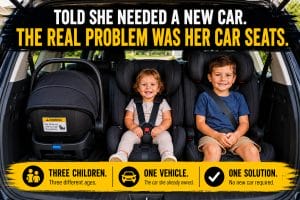
The Car Seat Mistake That Almost Cost One Brisbane Mum a New Car
A Brisbane mum with three young children came to us seeking a second opinion after being told she would likely need to buy a larger vehicle to fit three child restraints safely. The problem was she couldn’t afford one. Like many Australian families, she was already feeling the pressure of rising living costs. The thought
Read more...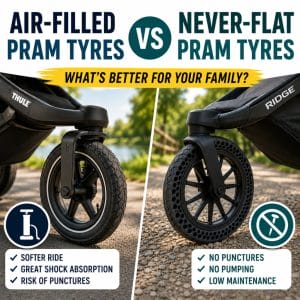
Air-Filled vs Never-Flat Pram Tyres: What’s Better for Australian Families?
Air-Filled vs Never-Flat Pram Tyres – What’s Better for Your Family? Most parents spend time comparing suspension, fold size and basket space when choosing a pram, but very few think about the tyres until after they start using it every day. The type of tyres your pram uses can make a huge difference to: Ride
Read more...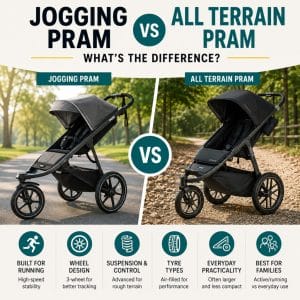
Jogging Pram vs All Terrain Pram: What’s the Difference?
Jogging Pram vs All Terrain Pram: What’s the Difference? Many parents searching for an all terrain pram eventually come across jogging prams and assume they are exactly the same thing. While both are designed to handle rougher terrain better than standard strollers, there are some important differences that can completely change which option is best
Read more...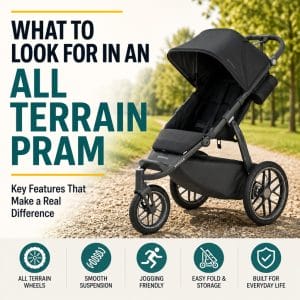
What To Look For In An All Terrain Pram
What To Look For In An All Terrain Pram Choosing the right all terrain pram can make everyday life much easier, especially if you regularly walk on gravel paths, grass, parks, uneven footpaths or outdoor trails. Some prams are designed mainly for smooth shopping centre floors, while others are built to handle rougher terrain, jogging
Read more...



Leave a comment