


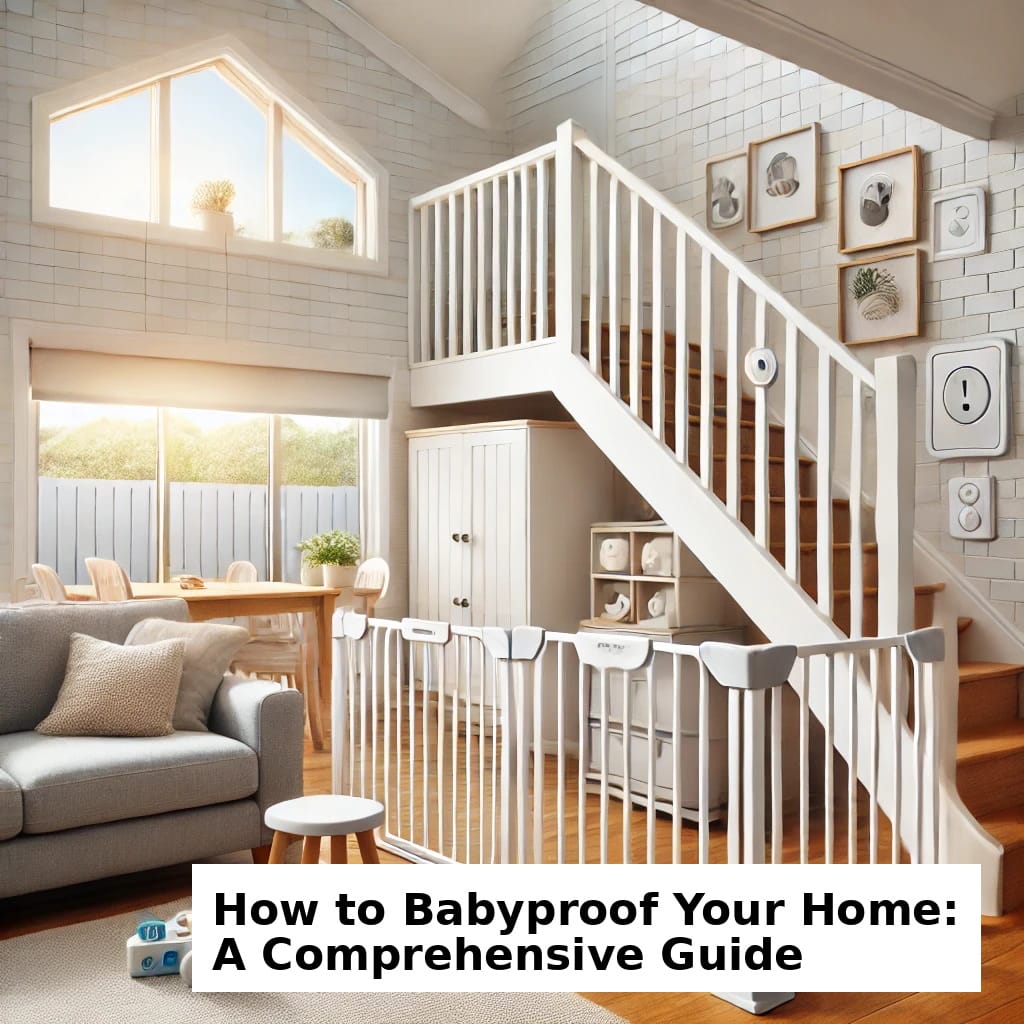
How to Babyproof Your Home: A Comprehensive Guide (Australia)
Why Babyproofing Matters in Australia
Most childhood injuries happen at home during the crawling and first steps stages. The good news: many are preventable with a few smart changes and the right safety products.
For Australian families, following local guidance from Kidsafe, Product Safety Australia (ACCC) and relevant Australian Standards helps reduce risk while your little one explores.
When to Start Babyproofing
Begin before baby becomes mobile. Many babies roll and pivot by 4–6 months and crawl soon after. Get the basics in place early so your home is ready ahead of each milestone.
Room by Room Babyproofing Guide
Babyproofing the Nursery
- Choose a cot that complies with AS/NZS 2172 and use a firm, snug fit mattress. Avoid pillows, quilts and soft toys.
- Anchor dressers and change tables to the wall (anti-tip kits).
- Keep blind cords out of reach with cleats or tension devices (per ACCC guidance).
- Store nappy creams, thermometers and medications locked and out of reach.
Babyproofing the Living Room
- Add corner/edge protectors to sharp furniture.
- Use power point covers and tidy cables.
- Anchor TVs and shelving to prevent toppling.
- Move small items (coins, magnets, button batteries) well out of reach.
Babyproofing the Kitchen
- Fit cabinet/drawer locks on low storage.
- Keep knives, cleaners and dishwasher tablets high and locked.
- Use stove knob covers and turn pot handles inward.
- Consider a baby gate during cooking.
Babyproofing the Bathroom
- Use a non-slip bath mat and set hot water to a safe temp (approx. 50°C at tap via tempering valve).
- Fit a toilet lock.
- Store razors, medicines and cosmetics locked and up high.
- Never leave water in the tub; supervise at arm’s reach.
Babyproofing Stairs and Hallways
- Install hardware mounted baby gates at the top of stairs; pressure or hardware mounts at the bottom as suitable.
- Remove loose rugs and clutter.
- Add nightlights for safer night movement.
Hidden Dangers to Watch Out For
- Button batteries (toys/remotes): store safely; seek urgent care if swallowed.
- Magnets, coins, small parts: choking and ingestion hazards.
- Blind/curtain cords: always secured and out of reach.
- Furniture drawers: keep closed; use anti-tip straps.
- Plastic bags & soft packaging: suffocation risk; lock away.
Quick Safety Checklist
| Area | Priority Action | Status |
|---|---|---|
| Nursery | AS/NZS 2172 cot + firm mattress; furniture anchored | ✅ / ❌ |
| Living Room | TV anchored; corners covered; cords secured | ✅ / ❌ |
| Kitchen | Locks on low cupboards; stove protection; cleaners up high | ✅ / ❌ |
| Bathroom | Non-slip mat; meds locked; empty tub after use | ✅ / ❌ |
| Stairs | Gates top & bottom; trip hazards removed | ✅ / ❌ |
Essential Babyproofing Products We Recommend
At Bubs n Grubs, we stock practical safety products to help reduce common hazards around the home:
- Adjustable baby gates for stairs, doors and hallways
- Furniture & TV wall anchors
- Power point covers and cable tidies
- Cabinet & drawer locks
- Corner & edge protectors
- Blind cord cleats/winders
Babyproofing is about reducing preventable hazards, but it is also sensible to keep first aid supplies somewhere an adult can access quickly. The SURVIVAL Baby First Aid Kit is a compact option with colour-coded compartments, a digital thermometer, wound-care supplies and a baby and adult CPR guide.
Our team fits and tests baby safety products in real family homes, so we can recommend practical solutions for different layouts and stages of development.
Keep Your Home Safe as Baby Grows
Milestones change risks. Reassess at rolling, crawling, pulling to stand and walking. Update gates, anchors and storage as your child’s reach increases.
Final Thoughts on Babyproofing
Start early, prioritise the high risk areas, review regularly. If you’d like hands on help, visit us for tailored advice and the right gear for your layout.
Visit Us for Expert Advice
In store: 4 / 229 Junction Road, Morningside QLD 4170
Call: (07) 3902 1350
Shop online: https://www.bubsngrubs.com.au
Right now, we have incredible deals on Baby Safety. Click below to get instant access.
FAQ: Babyproofing Your Home
When should I start babyproofing?
Begin at 4–6 months, before your baby becomes mobile. Update at each milestone: rolling, crawling, cruising, walking.
What’s the best way to secure furniture?
Use wall anchors/anti-tip straps into studs or suitable anchors per manufacturer instructions.
Are baby gates really necessary?
Yes. Use hardware mounted gates at the top of stairs and suitable gates for other openings.
How often should I reassess my setup?
Recheck whenever your child gains a new skill or reach-typically every few months in year one.
What hazards are most overlooked?
Blind cords, button batteries, magnets, unsecured TVs and furniture, accessible chemicals.
By taking action now, you can relax later. Visit us in-store or online for the best babyproofing gear-and expert, practical advice from our team.
About the Author
Frank is a founding owner of Bubs n Grubs. He is also the sole author of the Bubs n Grubs Baby Blog. He has been personally evaluating baby products & testing them before offering them to our customers since 2006. In addition, he is consistently giving manufacturer’s feedback & product development advice, reviewing & getting customer feedback. He has been doing this since the business started in 2006. He is proud to be one of the rare baby store owners who regularly engages with customers in store. Frank values the constant feedback and regularly seeks it out. He has been featured on the Morning Show & the Today Show on Channel 7 and Channel 9 and is a recognised expert in baby products as a result.
Important: This guide provides general safety information and does not replace professional advice. Always follow product instructions and local regulations. In an emergency, call 000. For further guidance, see Kidsafe and Product Safety Australia.