


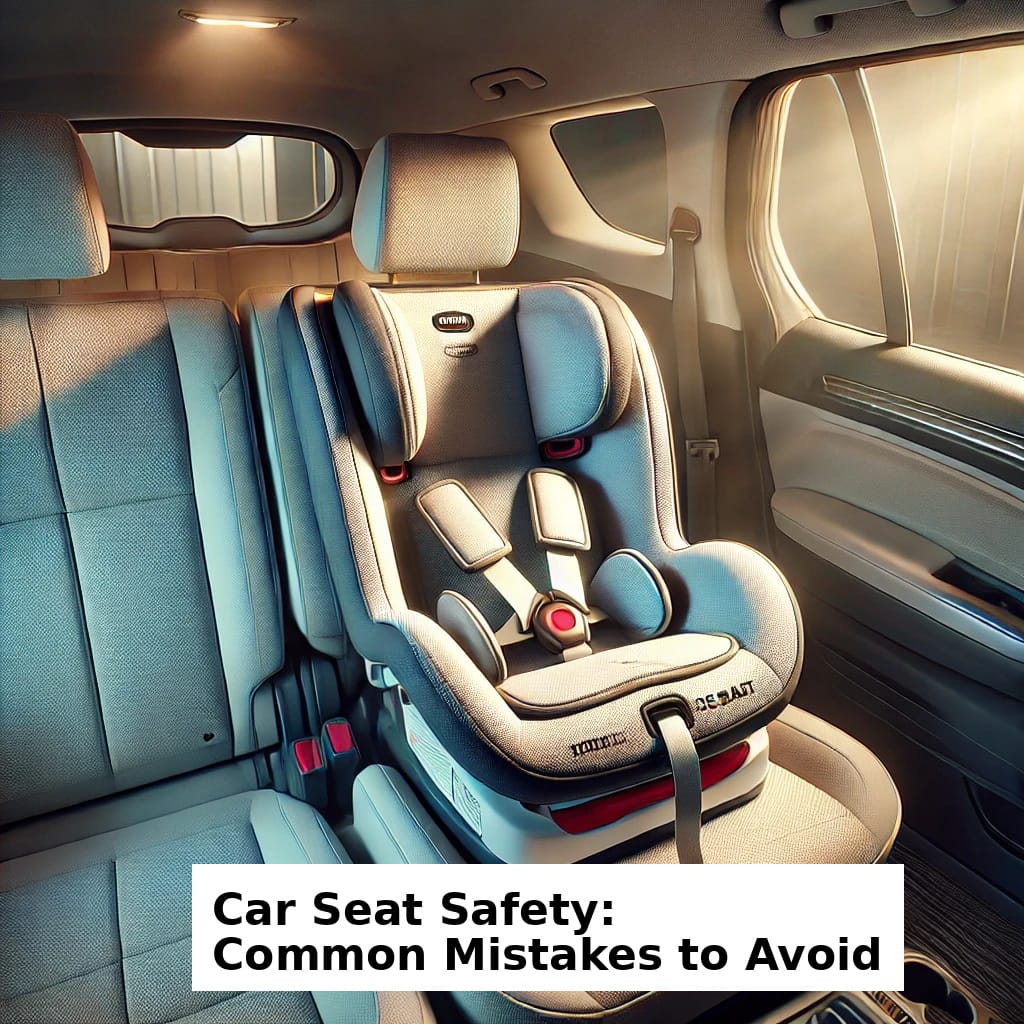
Car Seat Safety: Common Mistakes Australian Parents Must Avoid
Choosing the right car seat – and using it correctly – is one of the most important decisions you’ll make for your child’s safety. Unfortunately, many Australian parents unknowingly make mistakes that can reduce the protection a child restraint provides during a crash.
This guide explains the most common car seat safety mistakes seen in Australia, how to avoid them and how to choose restraints that meet the strict Australian AS/NZS 1754 safety standard.
Why Car Seat Safety Matters in Australia
Every year, Australian children are injured in vehicle accidents – and many of these injuries are linked to incorrect child restraint installation or misuse.
Even the safest, highest-rated car seat can become unsafe if:
- The harness is too loose
- The seat is installed incorrectly
- The top tether is not connected properly
- The restraint no longer fits the child correctly
Under Australian law, children must travel in an approved child restraint until at least seven years old, however correct fit and proper everyday use matter just as much as legal compliance.
For trusted guidance, refer to:
- Kidsafe Australia
- Red Nose Australia
- Product Safety Australia
- Australian Competition & Consumer Commission (ACCC)
1. Installing the Car Seat Incorrectly
Incorrect installation remains one of the most common – and most dangerous – child restraint mistakes in Australia.
Common installation issues include:
- Top tether not anchored correctly
- ISOFIX connectors not fully engaged
- Seatbelt routed through the wrong belt path
- Loose installation with excessive movement
- Incorrect recline angle
Even small installation errors can reduce the restraint’s ability to manage crash forces correctly.
If you would like help checking your setup, our team also offers professional baby car seat fitting in Brisbane by ACRI-certified installers.
2. Turning to Forward-Facing Too Soon
Rear-facing restraints provide significantly better support for a child’s head, neck and spine during a collision.
Many parents move children to forward-facing too early, often before reaching the restraint’s upper rear-facing height marker.
Recommendation: Keep your child rear-facing for as long as permitted within the restraint’s approved height and weight limits.
Models such as the Maxi-Cosi Pria LX and Mother’s Choice Adore AP support extended rear-facing travel for around 30 months or more depending on your child’s growth.
3. Loose or Incorrect Harness Positioning
Harness straps must fit correctly every trip:
- No twists in the harness webbing
- No slack – you should not be able to pinch excess webbing
- Rear-facing: harness straps at or below shoulder height
- Forward-facing: harness straps at or above shoulder height
Loose harnesses are one of the most common safety issues seen during professional child restraint checks.
4. Using an Expired or Damaged Car Seat
Child restraints degrade over time due to:
- UV exposure
- Heat inside vehicles
- Wear from daily use
- Potential unseen crash damage
Most Australian child restraints have a recommended useful life of approximately 10 years from manufacture.
Important: Never continue using a restraint that has been involved in a moderate or severe collision.
If you are unsure, replace the restraint with a current model that complies with modern Australian Standards.
5. Skipping Professional Car Seat Fitting
Many parents assume installation is simple until they attempt to correctly tension the restraint, route the top tether and adjust the harness for everyday use.
Professional fitting does more than install the restraint:
- Checks installation quality
- Confirms top tether routing
- Checks harness adjustment
- Explains correct day-to-day use
- Helps identify common mistakes early
6. Dressing Babies in Bulky Clothing
Bulky jackets and padded clothing create dangerous slack inside the harness.
During a collision, thick padding compresses and leaves the harness looser than intended.
Instead:
- Dress children in thin layers
- Tighten the harness correctly first
- Place blankets over the harness if extra warmth is needed
Car Seat Safety Checklist for Parents
- Less than 2cm movement at the belt path
- Top tether connected correctly
- Harness flat, snug and correctly positioned
- Rear-facing for as long as permitted
- Restraint within expiry date
- No crash history or visible shell damage
- Installation checked if unsure
Choosing a Safer Car Seat
The safest child restraint is one that:
- Fits your child correctly
- Fits your vehicle properly
- Matches your child’s stage and size
- Can be installed and adjusted correctly every day
Vehicle size, compact fit, harness adjustment systems and ease of installation all play an important role in real-world safety.
Not sure whether your current car seat still suits your child’s stage, size or vehicle? Our finder tool can help narrow down safer options based on your family’s needs.
Final Thoughts: Car Seat Safety Starts with Correct Use
Correct car seat use is one of the most important everyday safety habits for Australian families.
At Bubs n Grubs, we combine trusted brands, practical safety advice and professional fitting support to help parents choose and use child restraints with greater confidence.
Right now, we have excellent deals available on Baby Car Seats. Click below to explore the range:
Need Help Choosing?
Visit us in-store at 4 / 229 Junction Road, Morningside QLD 4170 or call (07) 3902 1350. You can also shop online 24/7.
FAQs About Car Seat Safety
What is the most common car seat safety mistake?
Incorrect installation and loose harness adjustment are among the most common child restraint issues seen in Australia.
Can I install a child restraint myself?
Yes, however many parents choose to have their installation checked by a trained child restraint fitter for added confidence.
Is rear-facing safer for babies?
Yes. Rear-facing restraints provide improved support for the head, neck and spine during a collision.
When should I move my child to a booster seat?
Only once your child has genuinely outgrown the harnessed restraint by height or weight and can sit correctly for the entire trip.
Can professional fitting help improve child restraint safety?
Professional fitting can help ensure the restraint is installed correctly and adjusted properly for your child and vehicle.
About the Author
Frank is a founding owner of Bubs n Grubs. He is also the sole author of the Bubs n Grubs Baby Blog. He has been personally evaluating baby products & testing them before offering them to our customers since 2006. In addition, he is consistently giving manufacturer’s feedback & product development advice, reviewing & getting customer feedback. He has been doing this since the business started in 2006. He is proud to be one of the rare baby store owners who regularly engages with customers in store. Frank values the constant feedback and regularly seeks it out. He has been featured on the Morning Show & the Today Show on Channel 7 and Channel 9 and is a recognised expert in baby products as a result.